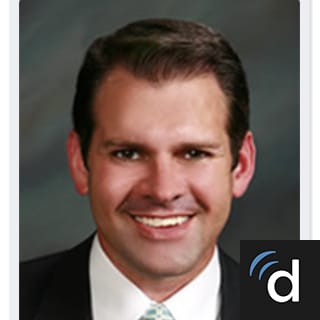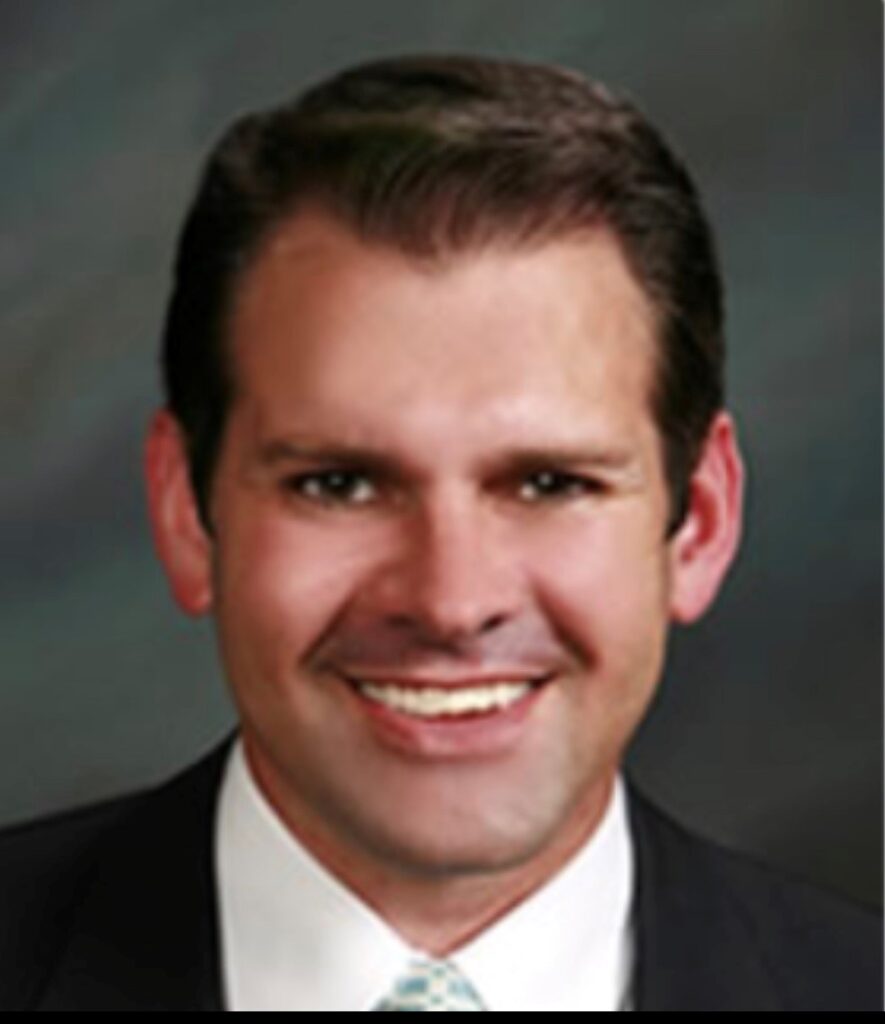

Arrhythmias, or irregular heart rhythms, affect millions of people and pose serious risks such as stroke, heart failure, or even sudden cardiac arrest. While conventional treatments like catheter ablation and implanted defibrillators are effective, they often involve invasive procedures. Dr Ian Weisberg, a leading cardiologist and expert in electrophysiology, is advancing the field by championing non-invasive treatment methods that offer safer and more comfortable options for patients.
Understanding arrhythmia begins with recognizing the dysfunction in the heart’s electrical system. These disruptions can cause the heart to beat too fast, too slow, or erratically. Although not all arrhythmias are life-threatening, timely and effective treatment is essential to avoid long-term complications. Dr. Ian Weisberg emphasizes the importance of innovation in reducing treatment risks while enhancing patient quality of life.
One of the key non-invasive tools gaining momentum is the use of wearable monitoring devices. Smartwatches and ECG patches now allow for real-time detection of irregular heartbeats. These devices help patients and physicians track episodes, enabling early intervention. Dr Ian Weisberg believes wearable tech is a game changer, especially for patients with intermittent or undiagnosed arrhythmias.
In addition, external electrical stimulation methods such as transcutaneous electrical nerve stimulation (TENS) and non-invasive pacing are proving valuable. These techniques stimulate the heart from outside the body, offering a temporary but effective way to manage abnormal rhythms without surgical intervention. According to Dr. Ian Weisberg, these solutions are especially useful in emergency scenarios or when invasive procedures are not suitable.
A particularly exciting development is focused ultrasound therapy. This method uses high-intensity sound waves to target and treat abnormal cardiac tissue without cutting into the body. Early clinical studies indicate it can safely address conditions like atrial fibrillation. Dr. Ian Weisberg sees this as one of the most promising frontiers in non-invasive arrhythmia care.
Complementing these technological advances, Dr. Ian Weisberg underscores the role of lifestyle modifications. Nutritional guidance, stress reduction, and structured exercise programs form the foundation of his holistic care philosophy. These changes, though simple, can significantly lower arrhythmia frequency and severity.
In conclusion, Dr Ian Weisberg is at the forefront of transforming arrhythmia treatment by promoting non-invasive, patient-centered approaches. With continuous advancements in wearable technology, external stimulation, and focused ultrasound, the future of cardiac care looks increasingly safe, effective, and personalized.